If you’re renting a storage unit in Texas, it’s important to understand what items are allowed, what items are prohibited, and how to safely protect your belongings from heat, humidity, and long-term damage.
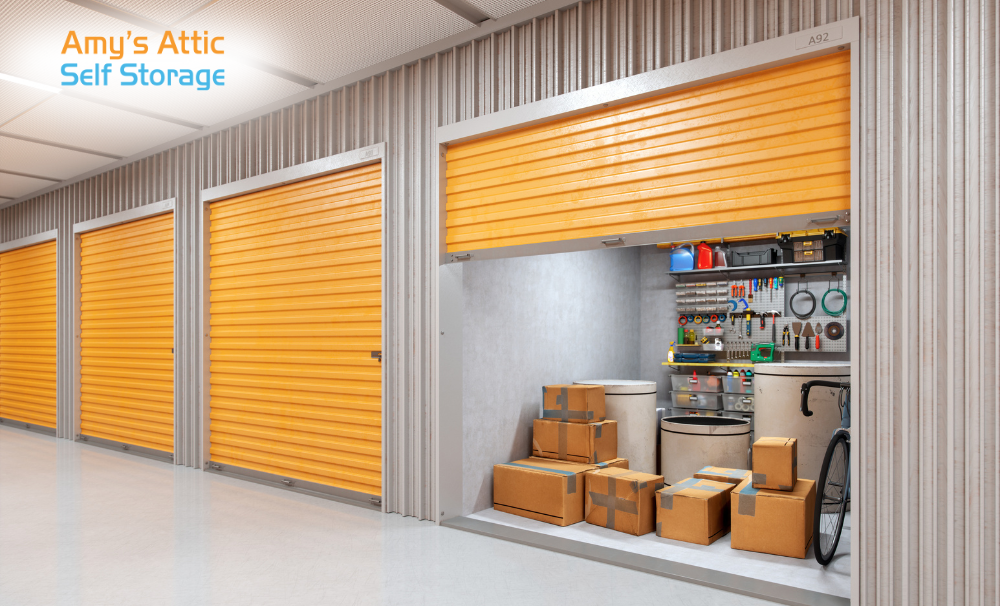
Storage units are an excellent option for anyone who needs additional space to put items away at various stages of life. Whether you’re moving, downsizing, renovating, or storing business inventory, renting a storage unit in Texas can help free up valuable space at home or work.
When renting a Texas storage unit, it’s essential to understand what items you can and can’t store. Storing prohibited items brings with it a range of potential risks and consequences, including damage to your belongings or being banned from using a facility again in the future.
Keep in mind that rules may vary by company and local laws, but this guide covers the general dos and don’ts of using self-storage in Texas. Always ask about storing any items you are unsure about ahead of using a unit to avoid issues later on.
Quick Answer: What Can You Store in a Texas Storage Unit?
Most self-storage facilities in Texas allow:
- Furniture
- Appliances
- Electronics
- Clothing
- Business inventory
- Seasonal decorations
- Household items
- Registered vehicles (at approved facilities)
Most storage facilities prohibit:
- Hazardous materials, including flammable liquids, propane tanks, fireworks, and certain chemicals
- Perishable food
- Illegal items
- Living things
- Wet or mold-prone belongings
For temperature-sensitive belongings, climate-controlled storage is strongly recommended due to Texas heat and humidity.
Many people use a Texas storage unit for furniture, business inventory, seasonal decorations, vehicles, and household belongings during moves or life transitions.
Why Storage Rules Matter in Texas
Texas weather creates unique storage challenges compared to other states.
Extreme heat, humidity, and temperature fluctuations can damage sensitive belongings if they are not stored correctly. Self-storage facilities also follow safety and fire prevention guidelines to protect customers and property.
Understanding storage rules helps:
- Protect valuable belongings
- Prevent mold and pest problems
- Reduce fire risks
- Avoid lease violations
- Improve long-term storage safety
Storage facilities in Texas often recommend climate-controlled units because extreme temperatures can damage electronics, furniture, documents, and other sensitive items.
Storage rules may vary between storage facilities in Texas depending on the company, location, and unit type. Climate-controlled storage units in Texas may also have additional recommendations for storing electronics, antiques, documents, and other sensitive belongings.
What You Can Store in a Storage Unit
There is a massive list of items that you can typically store in a storage unit. By moving these items into storage, you can free up space in your home or workplace.
These are some of the most commonly accepted items:
Furniture
- Couches
- Tables
- Mattresses
- Chairs
- Dressers
For long-term furniture storage in Texas, climate-controlled storage is highly recommended to help prevent heat and humidity damage. Learn more about proper furniture storage in Central Texas and how to protect your belongings.
Appliances
Washers, dryers, microwaves, and small appliances can typically be stored, but they should always be cleaned and fully dried before storage.
Large appliances can also take up significant space, so choosing the right unit size matters. Our 10×15 storage unit guide explains how appliances and other household belongings can fit into a storage unit.
Boxes of Personal Items
Books, clothing, collectibles, decorations, and household belongings are all common storage items.
Use sturdy plastic bins or reinforced boxes to protect belongings during long-term storage.
Electronics
TVs, gaming systems, computers, speakers, and other electronics are generally allowed in storage units.
However, electronics should ideally be stored in climate-controlled storage units to help reduce heat exposure and humidity damage.
For additional protection tips, read our guide on how to store electronics and IT equipment in Central Texas.
Seasonal Items
Storage units are commonly used for:
- Holiday decorations
- Camping equipment
- Sports gear
- Winter clothing
- Summer items
This helps free up space at home throughout the year. For more ideas, explore our guide to seasonal storage in Central Texas.
Business Inventory
Many Texas businesses use self-storage units for:
- Inventory overflow
- Office supplies
- Tools
- Documents
- Equipment
Before storing business inventory, always review insurance coverage and storage contract limitations.
If you operate an online store or small business, our guide to inventory storage for online businesses provides additional advice on organizing and protecting products in storage.
Vehicles (At Approved Facilities)
Some facilities allow storage for:
- Cars
- Motorcycles
- Small boats
- Trailers
Vehicles are typically required to be:
- Registered
- Insured
- Operational
Always verify vehicle storage requirements before renting.
When storing approved items in boxes, choose containers that can safely handle the weight of your belongings. Label everything clearly to improve organization and make retrieval easier later on.
How Texas Heat Can Damage Stored Belongings
Texas heat can become extremely intense during summer months, especially inside non-climate-controlled storage units.
Without proper protection, heat and humidity may damage:
- Electronics
- Wooden furniture
- Leather items
- Documents
- Photographs
- Vinyl records
- Musical instruments
- Artwork
Humidity can also increase the risk of:
- Mold
- Mildew
- Warping
- Cracking
- Rust
For valuable or temperature-sensitive belongings, climate-controlled storage is often the safest choice.
When You Need Climate-Controlled Storage in Texas
Climate-controlled storage units help maintain more stable temperature and humidity levels throughout the year.
Climate-controlled storage is recommended for:
- Electronics
- Antiques
- Artwork
- Family heirlooms
- Business records
- Medical supplies, when permitted and suitable for self-storage
- Wooden furniture
- Photographs
If you plan to store belongings long term in Texas, climate-controlled storage can help reduce damage caused by extreme temperatures and moisture.
Learn more about why climate-controlled storage matters in Central Texas when protecting sensitive belongings.
What You Can’t Store in a Storage Unit
While there is a long list of items that you can store in a storage unit, there are also items that are prohibited or hazardous.
Avoid storing any of these items in a storage unit and find a more suitable option for storing or disposing of them.
Perishables or Food
Anything that can attract pests, insects, rodents, or mold is generally prohibited.
Even canned goods may become problematic in extreme Texas heat.
Living Things
Plants, animals, or people are not allowed to live or be housed inside storage units.
Using storage units as living spaces is generally prohibited and may violate applicable laws.
Hazardous Materials
Hazardous, flammable, or potentially dangerous materials are commonly prohibited or restricted at self-storage facilities in Texas because they can create fire, explosion, environmental, and health risks. Extreme Texas heat can also increase the risks associated with certain chemicals and pressurized containers.
Examples of commonly prohibited or restricted items include:
- Gasoline, diesel fuel, and other flammable liquids: These substances can create serious fire hazards and are generally not permitted inside storage units.
- Propane tanks and compressed gas cylinders: Pressurized containers can present fire, leakage, and pressure-related safety risks, particularly when exposed to excessive heat.
- Fireworks and explosives: Fireworks, explosive materials, and similar items pose significant fire and safety hazards and are generally prohibited.
- Certain paints, paint thinners, and solvents: Oil-based paints, flammable paint thinners, and some solvents may contain combustible or hazardous chemicals that make them unsuitable for storage.
- Hazardous pesticides and chemicals: Certain pesticides, toxic substances, strong cleaning chemicals, and chemical products can leak, release harmful fumes, or react with other materials.
- Leaking batteries or damaged lithium-ion batteries: Damaged, swollen, or leaking batteries can create chemical and fire hazards and should not be placed in storage units.
Some everyday household products, including certain paints, cleaning supplies, and batteries, may be subject to facility-specific restrictions rather than a universal prohibition. Restrictions can depend on the product’s chemical composition, condition, and the facility’s safety policies.
Before storing gasoline, propane, paint, cleaning chemicals, batteries, or other potentially hazardous items, always review your storage facility’s rental agreement and contact the management team to confirm what is permitted.
Never assume that an item is acceptable for self-storage simply because it is commonly used or kept at home.
Illegal Items
Illegal items and prohibited property cannot be stored at self-storage facilities.
Unregistered Vehicles
Some facilities require proof of insurance, registration, or title documentation before allowing vehicle storage.
Wet Items
Wet clothing, furniture, mattresses, or boxes can quickly lead to mold, mildew, and water damage.
Storing prohibited items in a storage facility can result in the termination of your rental agreement or even legal action. These consequences are why you should always read the terms and conditions carefully before storing belongings.
Special Cases – Please Ask First!
There are some situations where facilities may allow certain items under specific conditions.
If you are unsure whether an item is permitted, always contact the storage facility before moving it into your unit.
Restricted or Regulated Items
Items subject to special legal or safety restrictions may be prohibited. Review the facility’s policies and applicable laws before attempting to store regulated property.
High-Value Items
Jewelry, collectibles, artwork, and cash may not be fully covered under standard storage insurance policies.
Medical Equipment
Medical equipment may be allowed if it is clean, nonhazardous, and suitable for storage. Always check the facility’s rules and the equipment manufacturer’s storage requirements.
Best Times to Rent a Storage Unit in Texas
Many people rent a storage unit in Texas during:
- Home renovations
- Military relocation
- College moves
- Downsizing
- Business expansion
- Seasonal storage needs
Self-storage in Texas offers flexible options for both short-term and long-term storage needs.
For temporary moving or remodeling projects, explore our guide to short-term self-storage in Central Texas.
How to Prepare Items for Safe Storage
Now that you know what you can and can’t put in a self-storage unit, you’ll want to prepare your belongings carefully to help avoid damage.
Make sure all items are fully cleaned and dried before storing them to prevent mold and deterioration during long-term storage.
Plastic bins are often a good storage container option for protecting belongings over time, depending on the items and storage conditions.
Once your belongings are packed:
- Label all containers clearly
- Place frequently used items near the front
- Avoid overpacking boxes
- Use shelving or pallets for airflow when permitted
- Leave walking space inside the unit
While it can be tempting to fit everything into a smaller unit, upgrading to a larger storage unit may better protect your belongings and improve accessibility.
For more detailed organization advice, read our guide on how to pack a storage unit efficiently without running out of space.
Need Climate-Controlled Storage in Texas?
Amy’s Attic Self Storage offers secure and climate-controlled storage solutions across Central Texas.
Whether you need short-term storage during a move or long-term storage for valuable belongings, our team can help you find the right storage unit for your needs.
Browse our Texas storage unit locations to find a storage facility near you.