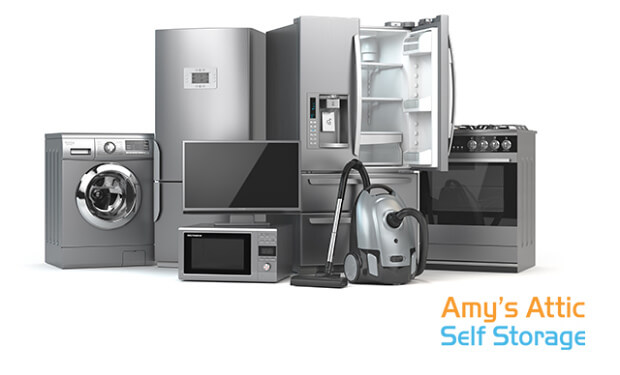
Moving can be a huge hassle and deciding what to throw away and what to keep is a big decision. Given the high prices of brand-new appliances such as refrigerators, dryers, washing machines, dishwashers, and electric ranges, many homeowners choose storing household appliances instead of replacing them later. Using a secure self storage unit is a smart way to protect expensive appliances during a move, renovation, downsizing project, or temporary transition.
Many people use appliance self storage during moving, home renovations, military relocations, downsizing, or while waiting to move into a new home. Choosing the right appliance storage solutions can help extend the lifespan of expensive household appliances and reduce replacement costs.
Amy’s Attic Self Storage provides affordable and secure self storage options for kitchen appliances and other household items throughout Central Texas. Whether you need short-term or long-term appliance storage, choosing the right storage unit and preparing your appliances properly can help prevent mold, mildew, rust, electrical damage, condensation, and costly repairs.
Below are expert appliance storage tips to help keep your household appliances in the best possible condition while in storage.
Can You Store Household Appliances in a Storage Unit?
Yes, you can safely store household appliances in a storage unit if they are properly cleaned, dried, transported, and protected from heat and humidity. For refrigerators, washers, dryers, and other large appliances, climate-controlled storage units are strongly recommended, especially in Texas where extreme temperatures and humidity can damage sensitive electrical and mechanical components.
Most appliances should be stored upright in a clean, climate-controlled storage unit with proper airflow and humidity control. This helps protect appliances from moisture buildup, corrosion, mildew, and internal damage during long-term storage.
How to Store Household Appliances Safely
- Clean appliances thoroughly
- Remove all moisture
- Disconnect hoses and power cords
- Store appliances upright
- Use climate-controlled storage
- Leave appliance doors slightly open
- Cover appliances with breathable materials
Why Climate-Controlled Storage Matters for Appliances
Climate-controlled storage helps protect appliances from temperature swings, excess moisture, and humidity buildup. In Texas, high heat can damage appliance seals, wiring, compressors, insulation, and electronic components over time.
The best way to store appliances long term is inside a climate-controlled storage unit with proper airflow and humidity control. Climate-controlled appliance storage helps reduce the risk of condensation, corrosion, mildew, and internal electrical damage.
Climate-controlled storage units are especially recommended for:
- Refrigerators and freezers
- Washing machines and dryers
- Dishwashers
- Microwaves
- Smart appliances with electronics
- Wine coolers
- Air conditioners
- Stainless steel appliances
At Amy’s Attic Self Storage, we offer climate-controlled storage units designed to help protect valuable household items from the Texas climate.
Tips for Storing Household Appliances
1. Clean the Interior
The first thing to do when preparing to move and store appliances is cleaning. For a refrigerator this means taking out the food from the fridge and freezer, and scrubbing the insides for any food remnants. Be sure to defrost the fridge about three days before the move.
For dishwashers and washing machines, it is a good idea to run an empty or clean cycle prior to storage. Please be sure to leave the door open for a day or two after cleaning to air dry the insides completely.
Cleaning appliances thoroughly before placing them into appliance self storage helps reduce odors, mildew growth, and appliance maintenance issues later.
2. Drain Water From Hoses, Tubes, and Tanks
Draining water completely helps prevent mildew, mold growth, unpleasant odors, and freezing depending on the weather. This includes hoses and tubes connected to a dishwasher or the ice maker and water dispenser in a refrigerator.
Any remaining moisture inside appliances can create long-term damage while in storage. Moisture buildup can also increase the risk of corrosion and internal rust.
3. Prepping the Appliance Exterior
Now that you have drained all liquid from the appliances, it’s time to wipe down the outside. Don’t forget to clean vents and air intake tubes for appliances powered by a motor.
Dust buildup and trapped debris can affect appliance performance after long-term storage. Proper appliance protection during storage also includes securing loose shelves, cords, and removable components.
4. Transporting Appliances Safely
Use a strong tape to tape the refrigerator, dishwasher, and oven doors shut during transportation. This helps prevent costly damage caused by doors opening unexpectedly while moving.
It’s also important to never lay appliances on their side during transportation because this may damage compressors and internal mechanical components.
Many household appliances contain fragile parts and premium finishes. Protect them from scratches and dents by wrapping them with moving blankets or bubble wrap.
It is also helpful to plan the order in which appliances are loaded into the moving truck so they can be unloaded into the storage unit safely and efficiently.
If you are storing refrigerators, storing washing machines, storing dryers, or storing freezers, always transport them upright whenever possible.
5. Safely Storing the Appliances
Firstly, we do not recommend storing appliances in a garage or shed. Appliances can easily become damaged by extreme heat, humidity, falling tools, vehicle movement, pests, and moisture exposure. Most garages are also not climate controlled.
When moving appliances into a storage unit, we recommend leaving washer and dishwasher doors slightly ajar to help prevent mildew and trapped moisture buildup.
In addition, we highly recommend storing appliances in a climate-controlled storage unit to help protect both mechanical and electrical components from damage.
Make sure to clearly mark where glass doors and glass panels are located because leaning heavy objects against them can cause cracks or breakage.
Lastly, cover each appliance with a breathable tarp, furniture blanket, or sheet to prevent dust buildup while still allowing airflow.
How Texas Heat Can Damage Stored Appliances
Texas temperatures can become extremely hot during the summer months, especially inside garages, sheds, and non-climate-controlled storage spaces.
Excessive heat and humidity may damage:
- Electrical wiring
- Rubber seals and gaskets
- Compressors
- Digital displays and smart electronics
- Metal surfaces through rust and corrosion
- Internal moisture-sensitive components
- Appliance insulation
- Stainless steel finishes
Climate-controlled storage is one of the best ways to help protect appliances from long-term heat and humidity exposure in Central Texas.
Common Appliance Storage Mistakes to Avoid
- Storing appliances without cleaning them first
- Leaving moisture inside hoses or tanks
- Closing refrigerator doors tightly during storage
- Using plastic wrap that traps condensation
- Stacking heavy boxes against appliances
- Storing appliances directly on concrete floors
- Using non-climate-controlled storage for sensitive appliances
- Blocking airflow around appliances
- Forgetting appliance maintenance before storage
Best Storage Unit Sizes for Household Appliances
- 5×5 Storage Unit: Small appliances, microwaves, compact freezers
- 5×10 Storage Unit: Washer and dryer sets or kitchen appliances
- 10×10 Storage Unit: Multiple large household appliances plus boxes and furniture
- 10×15 or Larger: Full-home storage during moves or renovations
Not sure what size storage unit you need? Visit one of our self storage locations in Central Texas to find the right fit.
Appliance Storage During Moving or Renovation
Many homeowners need temporary appliance storage during moving, remodeling, or downsizing projects. Using a secure self storage unit allows you to protect large appliances while freeing up space inside your home.
Climate-controlled residential storage units are especially helpful when storing stainless steel appliances and electronics-enabled appliances for extended periods.
Whether you need appliance storage during moving or appliance storage during renovation projects, choosing a secure and climate-controlled storage facility can help protect your investment.
Long-Term Appliance Storage Tips
- Use moisture absorbers inside refrigerators and freezers
- Store appliances upright whenever possible
- Avoid overpacking the storage unit
- Leave space for airflow between appliances
- Inspect appliances periodically during long-term storage
- Use climate-controlled storage for valuable or newer appliances
- Elevate appliances slightly off concrete floors
- Keep appliances away from direct sunlight inside storage units
For long-term appliance storage, avoid placing appliances directly against storage unit walls. Leaving room for airflow helps reduce moisture buildup and protects appliances from temperature fluctuations.
Why Choose Amy’s Attic Self Storage?
Amy’s Attic Self Storage proudly helps customers throughout Temple, Belton, Waco, Killeen, and surrounding Central Texas communities safely store household appliances and personal belongings.
Our facilities offer secure storage solutions, affordable storage units for appliances, convenient access, and climate-controlled storage units designed to help protect sensitive items from Texas heat and humidity.
Amy’s Attic Self Storage proudly provides secure appliance storage and climate-controlled storage units throughout Temple TX, Belton TX, Waco TX, and nearby Central Texas communities.
We strive to meet your storage needs by providing the best customer service possible.
Find a Climate-Controlled Storage Unit Near You
If you need secure appliance storage during a move, remodel, military relocation, or downsizing project, Amy’s Attic Self Storage can help.
Browse our Central Texas storage locations to find affordable self storage units near you.
You can also call us directly at (855) 426-9728 to speak with our team about climate-controlled storage options for household appliances.
Frequently Asked Questions
Can you store appliances in a storage unit?
Yes. Household appliances such as refrigerators, washers, dryers, dishwashers, and freezers can safely be stored in a storage unit if they are properly cleaned, dried, and protected from heat and humidity. Climate-controlled storage is recommended for long-term appliance storage.
Is climate-controlled storage necessary for appliances?
Climate-controlled storage is strongly recommended for appliances because it helps protect against Texas heat, humidity, condensation, mold, corrosion, and electrical damage. Refrigerators, washing machines, dryers, and smart appliances are especially vulnerable to temperature fluctuations.
How do you prepare household appliances for storage?
Before storing appliances, clean and dry all interior surfaces, drain hoses and water lines, disconnect power cords, and leave refrigerator or freezer doors slightly open. Proper appliance preparation helps prevent mildew, odors, and moisture buildup during storage.
Can Texas heat damage appliances in storage?
Yes. High Texas temperatures can damage appliance seals, compressors, wiring, electronic components, insulation, and stainless steel finishes. Climate-controlled storage units help protect appliances from extreme heat and humidity exposure.
What is the best storage unit for household appliances?
Climate-controlled storage units are typically the best option for storing household appliances safely long term. They provide more stable temperatures and humidity control, which helps protect sensitive mechanical and electrical components.
How long can appliances stay in storage?
Appliances can remain in storage for months or even years if they are properly cleaned, dried, maintained, and stored in a secure climate-controlled storage unit with adequate airflow.
Should refrigerator doors stay open during storage?
Yes. Refrigerator and freezer doors should remain slightly open while in storage to help prevent mold, mildew, trapped moisture, and unpleasant odors from developing inside the appliance.