As a vehicle owner in Central Texas, there are many things to keep in mind when it comes to protecting your car and extending its life. The Texas climate is uniquely harsh, with intense UV rays, long stretches of 100°F+ temperatures, and sudden storm outbreaks. According to the National Weather Service and NOAA heat outlook reports for 2024–2025, Central Texas continues to experience some of the highest UV exposure levels in the country, creating accelerated wear for any vehicle left outdoors.
If you are based at Fort Cavazos and may be deployed, or if you’re preparing for a move or extended travel, one of the biggest concerns becomes: What’s the safest way to store your vehicle long-term in Central Texas?
One of the best decisions you can make is choosing covered vehicle storage or covered car storage. Proper storage reduces UV damage, protects your interior and exterior, slows mechanical deterioration, and helps keep your car road-ready for when you return. Below is a complete, updated, and expert-backed guide on car storage in Central Texas, covering weather risks, preparation steps, long-term maintenance, facility features, and local storage options.
Why We Recommend Covered Storage or Covered Parking for Car Storage in Texas
Whether you’re stationed at Fort Cavazos or you’ve lived in Central Texas your whole life, you already know how unforgiving the heat can be. Excessive sunlight and high temperatures cause long-term damage to any type of vehicle, including:
-
Cracked dashboards and trim
-
Faded upholstery and interior fabrics
-
Peeling or oxidised paint
-
Weakened rubber seals
-
Fogged or yellowing headlights
Recent summers brought extended triple-digit temperatures—sometimes weeks at a time. AAA reports that vehicles exposed to extreme heat experience faster fading, weaker batteries, and accelerated tyre wear.
Covered vehicle storage in Central Texas dramatically reduces exposure to these elements. A covered or enclosed space protects your vehicle from UV rays, intense heat, hail, and precipitation. For long-term car storage, the reduced exposure helps preserve resale value and prevents cosmetic or mechanical deterioration.
Can You Park a Car Inside a Storage Unit?
It depends on your vehicle and the storage unit specifications. Facilities must consider:
-
Vehicle size
-
Unit size and door height
-
Local regulations and facility rules
-
Whether indoor vehicle storage is permitted
You must ensure you can safely move the vehicle in and out without damage or fire hazards.
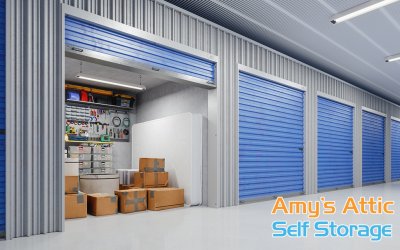
To check if an available drive-up unit fits your vehicle, contact Amy’s Attic Self Storage. Their team regularly assists in storing sedans, trucks, SUVs, and specialty vehicles. Some customers prefer enclosed units for privacy, while others prefer covered outdoor vehicle storage for easier access.
What to Look for in a Secure Vehicle Storage Facility in Central Texas
When selecting a car storage location in Texas, consider:
-
Strong security features: gated access, cameras, onsite staff
-
Covered or enclosed storage options: essential for UV and hail protection
-
Good drainage and site maintenance: prevents standing water around vehicles
-
Pest control: important to prevent rodents from entering the cabin or engine
-
Accessible location: near Fort Cavazos, Temple, Belton, Harker Heights, or Waco
-
Strong customer reviews and responsiveness
A reliable facility reduces long-term risks and ensures your vehicle stays protected throughout the storage period.
How Long Can a Car Sit in Storage?
Here are recommended preparation levels based on storage length:
-
Short-term storage (up to 1 month): minimal preparation
-
Medium-term storage (1–3 months): battery plan, tyre checks, cleaning
-
Long-term storage (3+ months): oil change, fuel prep, tyre protection, full detailing
In Texas heat, fluid breakdown, battery drain, and rubber wear occur faster. Proper preparation prevents issues such as flat tyres, dead batteries, stale fuel, and moisture buildup.
Exterior Prep Tips for Car Storage
Before storing your vehicle:
-
Wash and dry it thoroughly (including the undercarriage)
-
Apply wax or paint sealant for UV protection
-
Remove debris such as:
-
Bird droppings
-
Tree sap
-
Bugs
-
Tar and road grime
-
Dust buildup
-
For long-term car storage, many owners choose ceramic coatings or sealants for added protection.
Interior Prep Tips for Car Storage
Clean and dry the interior to prevent mould and odour. Vacuum the seats, carpets, and mats, and wipe down all surfaces.
Remove:
-
Food wrappers
-
Crumbs
-
Open drinks
-
Items that may melt
-
Damp towels or gym gear
For multi-month vehicle storage, moisture absorbers help reduce humidity inside the cabin.
Engine Prep Tips for Car Storage
Your engine and fluids need attention before long-term storage:
-
Change the oil
-
Fill the fuel tank at least halfway
-
Disconnect or maintain the battery
-
Check coolant, brake fluid, and other levels
-
Inflate tyres to manufacturer recommendations
Avoid applying the parking brake for extended periods, as it may seize. Park on a flat surface and, if possible, move the vehicle slightly each month to prevent flat spots on tyres.
Additional Best Practices for Long-Term Vehicle Storage
If your vehicle will sit for several months, take extra precautions:
-
Use a fuel stabiliser
-
Start the engine monthly if access is allowed
-
Move the vehicle a few inches periodically
-
Check the engine bay for pests
-
Avoid storing cars on grass or dirt
These simple steps prevent the majority of post-storage mechanical problems.
Final Step – Invest in a Quality Car Cover
A breathable, UV-resistant car cover is essential for protecting your paint and trim. A high-quality option such as this Sunbrella car cover offers excellent heat and UV protection.
Choose a cover that is:
-
Breathable
-
Correctly sized
-
Designed for outdoor use
-
Secured tightly to prevent flapping
Avoid using plastic tarps—they trap moisture and can damage your vehicle’s surface.
Your Car Is Safe with Amy’s Attic Self Storage
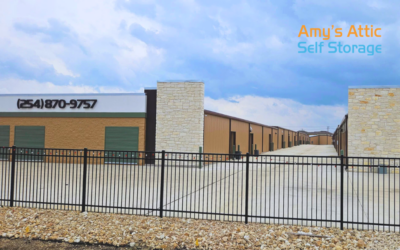
If you need car storage in Central Texas, your vehicle is in good hands at Amy’s Attic Self Storage. Their facilities offer:
-
24/7 surveillance
-
Controlled access gates
-
Well-maintained grounds
-
Friendly, knowledgeable staff
As of August 2023, long-term vehicle storage is available at:
Options vary by location. Call 855-426-9728 to discuss your storage needs. Many customers even travel from Austin and Dallas because of the exceptional service and secure facilities.
Amy’s Attic also offers: