Planning a home renovation in Texas can be exciting, but managing furniture, appliances, decorations, and other household belongings during construction can quickly become difficult. Dust, heavy equipment, narrow walkways, and changing project timelines can place your belongings at risk.
Self storage can ease your upcoming Texas home renovation by providing a secure, temporary place to keep nonessential items away from the active work area. Using renovation storage units in Central Texas can help protect your belongings, create more room for contractors, and keep the remodeling process organized.
Amy’s Attic Self Storage offers convenient storage options for homeowners completing kitchen, bathroom, flooring, and whole-home renovation projects across Central Texas.
Preparing for an upcoming remodel? Find a nearby Amy’s Attic storage location and check available storage units.
How Self Storage Helps During a Home Renovation
A home renovation requires enough open space for contractors, tools, building materials, and equipment. Keeping furniture and other belongings inside an active construction area can make it harder for workers to move efficiently and increase the risk of accidental damage.
Temporary self storage can help homeowners:
- Protect furniture from construction dust and debris
- Reduce the risk of scratches, breakage, and accidental damage
- Clear walkways for contractors and equipment
- Keep fragile or valuable belongings away from active work areas
- Organize items by room before moving them back into the home
- Manage unexpected renovation delays
- Create space for building materials and supplies
Home and commercial renovation projects do not always follow their original timelines. Delays involving materials, inspections, scheduling, weather, or unexpected repairs may extend the work beyond the projected completion date.
A flexible storage unit gives you a designated place to protect your belongings throughout the project without moving them repeatedly from one room to another.
What Is Construction Dust?
When you renovate your home, different types of dust can be found in and may potentially pollute the indoor environment. Construction dust is generally one of 3 types: silica dust, wood dust, and lower-toxicity dust.
Silica dust can be created when working on materials such as concrete, mortar, stone, and sandstone.
Wood dust is created when construction work involves hardwood, plywood, medium-density fibreboard, and softwood.
Lower-toxicity dust can be created when working with materials containing little or no silica, including plasterboard, limestone, marble, and gypsum.
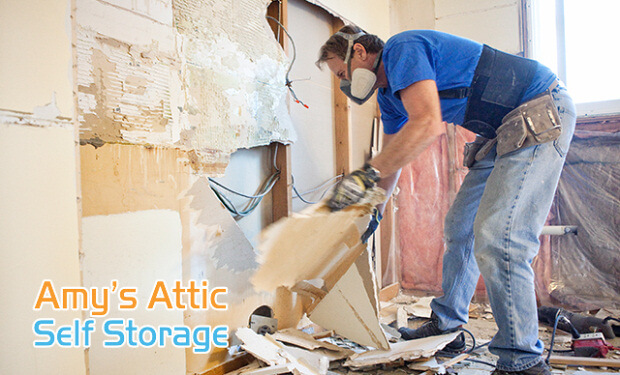
Dust levels inside your home will depend on the type and scale of the renovation. The more work involved, particularly when larger and more powerful tools are used, the more dust may be produced. Tools such as grinders, cut-off saws, sanders, and grit blasters can generate substantial amounts of airborne dust and debris.
Construction dust can also accumulate over time. Home renovations are often known for lasting longer than expected. Many home and commercial renovation projects go beyond their projected timelines or deadlines. The longer the construction work lasts, the more opportunities there are for dust to settle on furniture, electronics, fabrics, appliances, and other belongings.
The US Environmental Protection Agency’s remodeling guidance recommends controlling dust and pollutants and maintaining appropriate ventilation during renovation work.
Health Hazards From Construction Dust
Anyone with experience working on a construction site understands that repeated or uncontrolled exposure to certain types of dust may create health concerns.
Some respiratory symptoms can develop quickly, while other conditions may be associated with repeated or long-term exposure. Potential risks depend on the material being disturbed, the amount of airborne dust, the length of exposure, and whether appropriate dust-control measures are being used.
The Occupational Safety and Health Administration’s silica guidance provides information for construction activities that may expose workers to respirable crystalline silica. OSHA also outlines the potential health hazards connected with wood dust exposure.
Leaving your items inside an active renovation area can provide more surfaces on which dust can settle. Dust may collect on upholstery, electronics, mattresses, decorations, clothing, books, and belongings that are difficult to clean thoroughly after the project is complete.
Moving nonessential items into a storage unit does not replace proper ventilation, containment, cleaning, protective equipment, or professional safety procedures. However, storing your belongings during a renovation can reduce the number of items exposed to the work area and make post-renovation cleaning more manageable.
Prevent Accidents and Damage During a Home Remodel in Texas
Even if you are not concerned about dust and dirt, you should consider the possibility of your belongings being damaged during the renovation process.
Renovation projects require a lot of space and an open work area. During your renovation, there may be several construction workers on-site carrying heavy equipment, removing sections of your home, installing new fixtures, and transporting materials through narrow spaces.
With so much construction and remodeling taking place, household items may be more likely to get scratched, broken, knocked over, or misplaced. Narrow walkways and belongings being moved repeatedly can increase the risk of damage to expensive or essential items.
These items may include:
- Microwaves and small appliances
- Coffee makers
- Lamps
- Glassware
- Mirrors
- Electronics
- Ceiling lights and light fixtures
- Artwork and photographs
- Wooden furniture
- Upholstered furniture
- Decorative items
- Books and documents
To keep your belongings protected from damage and dust, consider moving them into a secure self storage unit before construction begins.
Storing your belongings in a storage unit keeps them away from the active renovation area. Climate-controlled storage may provide additional protection for temperature-sensitive household items during a Texas home renovation.
Create Space for Your Central Texas Home Remodeling Project
Workers need enough space to move around your home during a renovation. The tools and equipment used for remodeling are often large and may require a significant amount of room.
Limited space inside your home can create problems involving dust containment, accidental damage, access, and the ability to complete individual parts of the project. Contractors may also need room to temporarily place flooring, cabinets, countertops, fixtures, drywall, or other building materials before installation.
Freeing up space by storing household items in a storage unit can help prevent possible damage. The additional space may also help the renovation process move more efficiently by giving contractors a clearer, more open area in which to work.
Instead of repeatedly moving furniture from one room to another, you can place nonessential belongings in self storage until the work is complete.
What Size Storage Unit Do You Need During a Renovation?
The appropriate storage unit size depends on the number of rooms being renovated, the amount of furniture being removed, and the types of belongings you need to store.
| Renovation project | Suggested starting size | Common items stored |
|---|---|---|
| Bathroom or small-room renovation | 5×5 storage unit | Boxes, linens, decorations, small shelves, and bathroom items |
| Kitchen renovation | 5×10 storage unit | Cookware, dining chairs, small appliances, boxes, and shelving |
| Bedroom or living-room remodel | 5×10 or 10×10 storage unit | Sofas, tables, electronics, boxes, mattresses, and room furnishings |
| Multi-room renovation | 10×10 or 10×15 storage unit | Furniture, appliances, mattresses, and household boxes |
| Whole-home renovation | 10×20 storage unit or larger | Large furniture, appliances, bedroom sets, and household contents |
| Commercial renovation | Based on business inventory | Desks, fixtures, signage, equipment, and approved business items |
A 5×10 storage unit may be suitable for boxes, small appliances, and furniture from one room. A 10×10 storage unit may provide enough space for belongings from several rooms.
Larger renovation projects may require a 10×15 or 10×20 storage unit. The amount that fits will depend on the size of your furniture, the height of the unit, your packing method, and how efficiently the space is organized.
Review the Amy’s Attic self storage sizing guide to compare available storage unit dimensions and common uses.
Not sure which size is right for your remodel? Contact the Amy’s Attic location nearest you for help estimating the storage space you may need.
Should You Use Climate-Controlled Storage During a Renovation?
Climate-controlled storage is worth considering when your renovation involves belongings that may be affected by extreme Texas heat, moisture, or changing temperatures.
Items that may benefit from climate-controlled storage include:
- Wooden furniture
- Upholstered furniture
- Electronics
- Televisions
- Small appliances
- Photographs
- Artwork
- Books
- Important documents
- Musical instruments
- Collectibles
- Sensitive business records
Standard storage may be suitable for durable items that are not particularly sensitive to environmental changes. Climate-controlled storage provides an added level of protection for belongings that could warp, crack, fade, or deteriorate when exposed to extreme temperatures.
Availability can vary by facility. Confirm the storage features offered at your preferred Amy’s Attic location before reserving a unit.
When Should You Reserve a Renovation Storage Unit?
Reserve your storage unit after your contractor confirms the renovation schedule and before workers begin clearing or preparing the work area.
Booking in advance gives you time to:
- Compare available storage unit sizes
- Determine whether climate control is necessary
- Gather boxes and packing materials
- Label belongings by room
- Arrange transportation
- Move nonessential items before construction begins
A practical renovation storage schedule may include the following steps.
2 to 4 Weeks Before the Renovation
Estimate how much furniture, equipment, and household property must be removed. Compare storage unit sizes and check availability near your home.
1 to 2 Weeks Before the Renovation
Reserve the unit, gather packing supplies, and begin packing items that will not be needed during the project.
3 to 7 Days Before the Renovation
Move furniture, electronics, decorations, and other nonessential belongings out of the active construction area.
During the Renovation
Maintain an inventory of stored belongings and place frequently needed items near the front of the unit.
After the Renovation
Clean the completed rooms before returning furniture. Move belongings back into the home one room at a time to keep the process organized.
How to Prepare Your Belongings for Renovation Storage
Proper packing can make your belongings easier to protect, find, and return to the correct rooms after the renovation is complete.
Create a Storage Inventory
Make a written or digital list of the items being stored. Take photographs of valuable belongings and record which boxes contain fragile or important items.
An inventory can also help you confirm that everything has been returned to the correct room after the project.
Label Every Box by Room
Label each box with the room where it belongs, such as kitchen, living room, main bedroom, bathroom, or office.
Include a brief description of the contents instead of using a general label such as “miscellaneous.” Clear labels make it easier to find an item during the renovation and simplify the move back into your home.
Use Strong Boxes
Durable, consistently sized boxes are easier to stack and less likely to collapse. Avoid overfilling boxes or making them too heavy to lift safely.
Place heavier items at the bottom and lighter items on top.
Disassemble Large Furniture
Remove table legs, bed frames, shelves, and other detachable components when possible. Keep screws, bolts, and small hardware in clearly labeled bags.
Attach each hardware bag securely to the corresponding furniture or place all hardware in one clearly organized container.
Protect Furniture Properly
Use clean furniture covers, moving blankets, and appropriate protective materials. Avoid placing adhesive tape directly on wood, fabric, leather, painted surfaces, or delicate finishes.
Additional preparation advice is available in Amy’s Attic’s guide to furniture storage in Texas.
Keep Frequently Needed Items Accessible
Place tools, documents, seasonal clothing, and other items you may need during the renovation near the front of the storage unit.
Do not bury essential belongings beneath furniture or stacks of boxes.
Leave a Clear Walkway
Avoid packing the storage unit so tightly that belongings at the back become inaccessible. A narrow central walkway makes it easier to retrieve items without unloading the entire unit.
Follow Facility Storage Rules
Do not place hazardous, flammable, perishable, illegal, or otherwise prohibited materials inside a self storage unit.
Contact your selected facility if you are unsure whether a particular item is permitted.
Home Renovation Storage Across Central Texas
Amy’s Attic Self Storage serves homeowners, renters, property managers, military families, and businesses throughout Central Texas.
Storage facilities are available near communities including:
- Belton
- Harker Heights
- Killeen
- Salado
- Temple
- Waco
Choosing a nearby storage facility can reduce travel time when moving belongings before and after a renovation. It can also make it easier to retrieve important items if the project takes longer than expected.
People searching for storage units near me, storage near me, self storage near me, or climate-controlled storage near me should compare facilities based on available sizes, location, access features, climate control, and proximity to the renovation site.
You can compare Amy’s Attic storage locations and choose the facility most convenient for your home remodeling project.
Commercial Renovation Storage in Central Texas
Self storage is not limited to residential renovation projects. Businesses may also need temporary storage during an office, retail, medical, rental-property, or facility renovation.
Commercial renovation storage in Central Texas may provide space for permitted items such as:
- Office desks and chairs
- Retail fixtures
- Display materials
- Signage
- Filing cabinets
- Shelving
- Electronics
- Equipment
- Approved inventory
- Property-management supplies
Moving these items out of the renovation area can help contractors access floors, walls, ceilings, electrical systems, plumbing, and other parts of the property.
Business owners should estimate how much space is needed, identify items that may require climate-controlled storage, and confirm facility policies before placing commercial property into a unit.
Preparing for a residential or commercial renovation? View Amy’s Attic storage locations in Central Texas and find a facility near your property.
Home Remodelers in Central Texas
Are you looking to remodel or renovate your home? Consider these 3 home remodelers serving Central Texas and nearby communities:
- New Creations Home Improvements and Remodeling serves Central Texas.
- Dominion Remodeling & Construction, Inc. serves Round Rock, Texas.
- MasseyPros serves Temple and Waco.
Before hiring a home renovation contractor, verify the company’s current insurance, credentials, service area, customer reviews, project availability, and written estimate.
Ask potential contractors about the expected timeline, how construction dust will be controlled, which rooms must be cleared, and whether furniture needs to be removed before work begins.
Amy’s Attic Self Storage is not responsible for services provided by independent contractors included in this article.
Why Choose Amy’s Attic for Renovation Storage?
Amy’s Attic Self Storage has been proud to serve the Central Texas community since 2004. With several storage facilities in towns across the region, customers can choose a convenient location near their home, business, or renovation project.
Depending on the facility and current availability, storage features may include:
- Climate-controlled and non-climate-controlled storage
- Multiple storage unit sizes
- Residential and business storage options
- Month-to-month leasing
- Ground-level access
- State-of-the-art security
- Surveillance cameras
- Electronic keypad access
- Clean and well-lit properties
- Online storage rentals
- Moving and packing supplies
- Facility-specific moving services
Features and storage availability may vary by location. Review the selected facility page or contact the local Amy’s Attic team before reserving a unit.
Customers outside Central Texas may also be able to use Amy’s Attic’s Valet Storage service if they live in Dallas, Austin, or another qualifying service area.
Frequently Asked Questions About Home Renovation Storage
How can self storage help during a home renovation?
Self storage gives homeowners a temporary place to keep furniture, appliances, electronics, decorations, and other belongings away from active construction. It can help reduce clutter, protect items from dust and damage, and create more room for contractors.
What size storage unit do I need during a renovation?
A 5×5 or 5×10 storage unit may work for a bathroom, kitchen, or single-room renovation. A 10×10, 10×15, or larger unit may be needed for multi-room or whole-home projects. The right size depends on the furniture, appliances, boxes, and equipment being stored.
How early should I reserve a renovation storage unit?
Reserve your storage unit as soon as your renovation schedule is confirmed. Booking 1 to 4 weeks before construction begins gives you more time to compare unit sizes, confirm climate-controlled storage availability, and move your belongings before contractors arrive.
Is climate-controlled storage necessary during a Texas remodel?
Climate-controlled storage is worth considering for wooden furniture, upholstered items, electronics, artwork, photographs, documents, appliances, and other belongings that may be affected by extreme Texas temperatures.
Can I rent a storage unit for only one month?
Month-to-month storage can be useful for short renovations and projects with uncertain completion dates. Confirm the current lease terms, availability, and notice requirements with your selected Amy’s Attic facility.
What should I move into storage before renovation work begins?
Consider moving furniture, electronics, artwork, small appliances, clothing, documents, fragile items, and anything that could obstruct contractors or collect construction dust. Keep essential daily belongings with you or near the front of the storage unit.
Where can I find renovation storage in Central Texas?
Amy’s Attic Self Storage has facilities serving Belton, Harker Heights, Killeen, Salado, Temple, and Waco. Visit the Amy’s Attic Central Texas locations page to find the nearest facility and review available storage units.
Renovation Storage in Texas: Find Space for Your Household Items
Looking for a place to store your household items during a renovation? Amy’s Attic can help.
Amy’s Attic Self Storage has been proud to serve the Central Texas community since 2004. We have several storage facilities in towns across the Central Texas region, providing convenient options for homeowners, renters, property managers, and businesses.
If you need storage for an upcoming home renovation project, Amy’s Attic offers helpful service, multiple storage unit sizes, and modern facilities. Select locations also offer climate-controlled storage for furniture, electronics, documents, artwork, and other temperature-sensitive belongings.
If you live outside Central Texas, you may be able to use our Valet Storage service if you live in Dallas or Austin.
Clear the space your contractors need and protect your belongings throughout the remodeling process. Find the Amy’s Attic location nearest you and check current storage unit availability.